Insights for a healthier you
Welcome to the Dr. Ron Archer blog, your go-to resource for actionable insights on improving your health. Explore a range of topics designed to empower you on your journey to wellness. Learn how to lose weight, build muscle, and optimize your health through informed choices.

Weight loss strategies
Discover effective strategies for weight loss that fit your lifestyle. From dietary approaches to exercise routines, we provide practical tips and expert advice to help you achieve your goals. Explore the benefits of intermittent fasting and the ketogenic diet, and learn how to implement them safely and effectively.
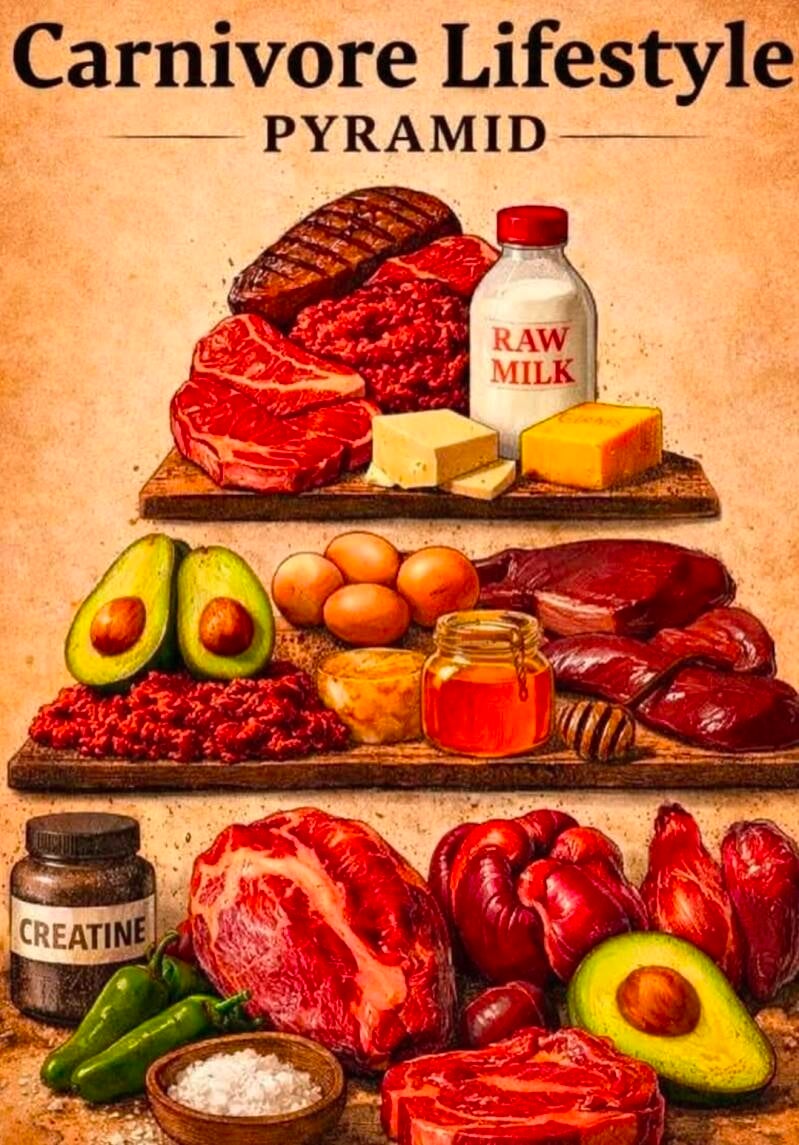
WHAT IS THE CARNIVORE DIET AND WHAT ARE ITS BENEFITS?
The carnivore diet is an animal-based eating approach that consists exclusively (or almost exclusively) of animal foods. It eliminates all plant foods—no fruits, vegetables, grains, legumes, nuts, seeds, or sugars.
Foods Typically Eaten
Beef (especially fatty cuts like ribeye)
Lamb, pork, bison, venison
Poultry
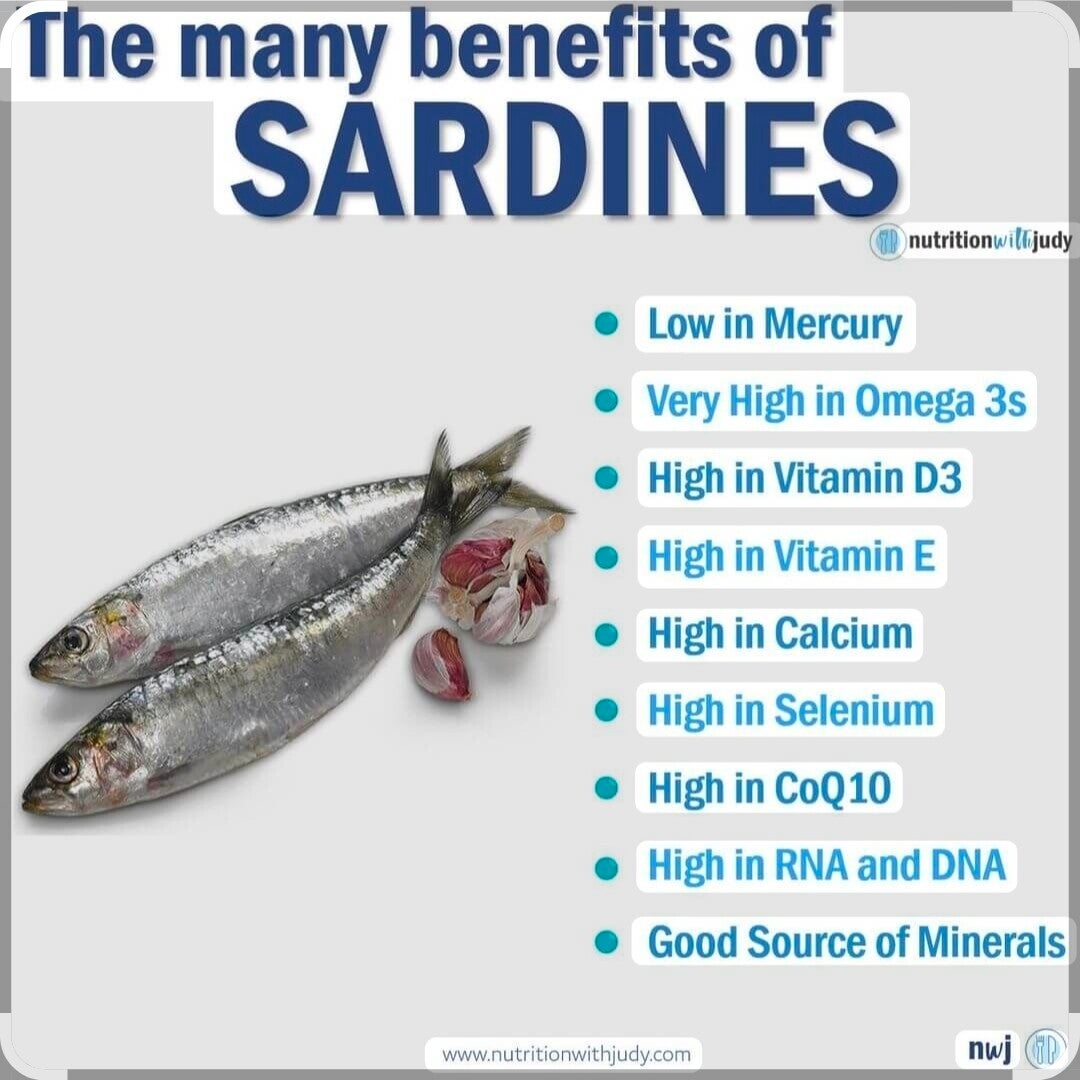
Fish and seafood
Eggs
Animal fats (tallow, lard, butter, ghee)
Organ meats (liver, heart, kidney)
Bone broth
Salt and water
Foods Avoided
Sugar and sweeteners
Grains and bread
Fruits and vegetables
Seed oils (canola, soybean, corn oil)
Processed foods
Alcohol
Some people follow a strict carnivore version (meat, salt, water only), while others use a “nose-to-tail” or animal-based variation that may include dairy or occasional eggs.
Potential Benefits of the Carnivore Diet
Many benefits reported are experiential and individual, though supported by growing metabolic and clinical observations.
1. Improved Blood Sugar Control
Eliminates carbohydrates → minimal insulin spikes
Helpful for insulin resistance, metabolic syndrome, and type 2 diabetes
2. Reduced Inflammation
Removes common inflammatory triggers (sugar, seed oils, processed foods)
Many report reduced joint pain, autoimmune symptoms, and gut irritation
3. Fat Loss & Body Recomposition
High protein + fat → increased satiety
Easier calorie control without tracking
Encourages fat-burning (ketosis)
4. Mental Clarity & Stable Energy
No blood sugar crashes
Ketones provide a steady fuel source for the brain
Many report improved focus and mood stability
5. Gut Healing
Eliminates plant antinutrients (lectins, oxalates, phytates)
Often used as an elimination diet for IBS, Crohn’s, colitis, and food sensitivities
6. Hormonal Support
Cholesterol and saturated fat support testosterone and other steroid hormones
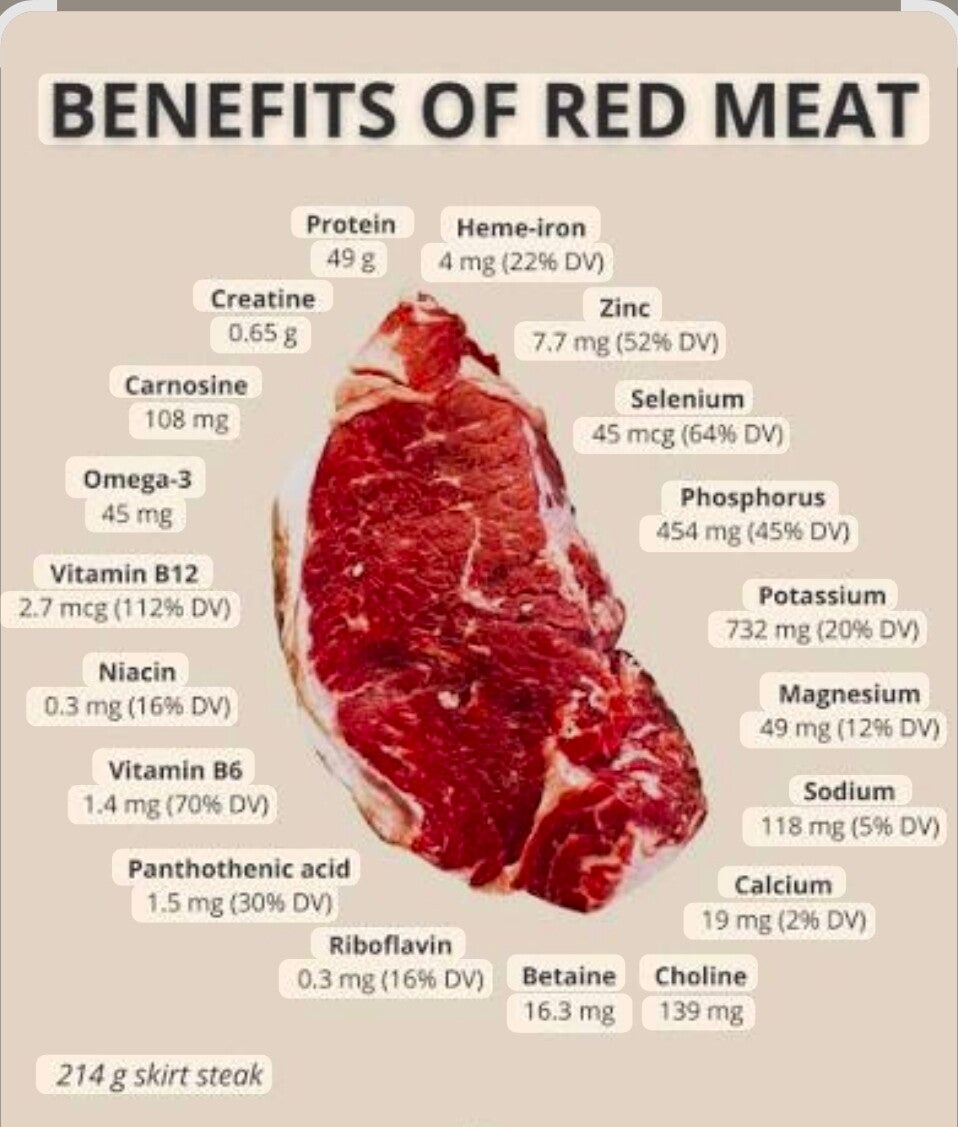
Adequate zinc, iron, and B-vitamins from red meat
7. Simplicity & Adherence
Fewer food choices
Easy meal planning
Reduced cravings over time
Nutritional Density
Animal foods are rich in:
Complete protein (all essential amino acids)
Vitamin B12
Iron (heme iron)
Zinc
Selenium
Choline
Fat-soluble vitamins (A, D, K2)
Creatine & carnosine
Muscle building and fitness
Unlock the secrets to building muscle and enhancing your physical performance. Dive into weightlifting techniques, training programs, and nutritional strategies designed to maximize your gains. Whether you're a beginner or an experienced lifter, find valuable insights to take your fitness journey to the next level.
WHAT IS THE KETOGENIC DIET AND WHAT ARE THE BENEFITS
The ketogenic diet (often informally called “ketotonic”—meaning ketone-producing) is a very low-carbohydrate, high-fat, moderate-protein eating approach designed to shift the body from burning glucose (sugar) to burning fat and ketones for fuel.
Typical Macronutrient Breakdown
Fat: ~70–80% of calories
Protein: ~15–25%
Carbohydrates: ~5–10% (usually 20–50g net carbs/day)
When carbs stay low enough, the liver produces ketones, placing the body in nutritional ketosis.
Foods Commonly Eaten
Included
Meat, poultry, fish
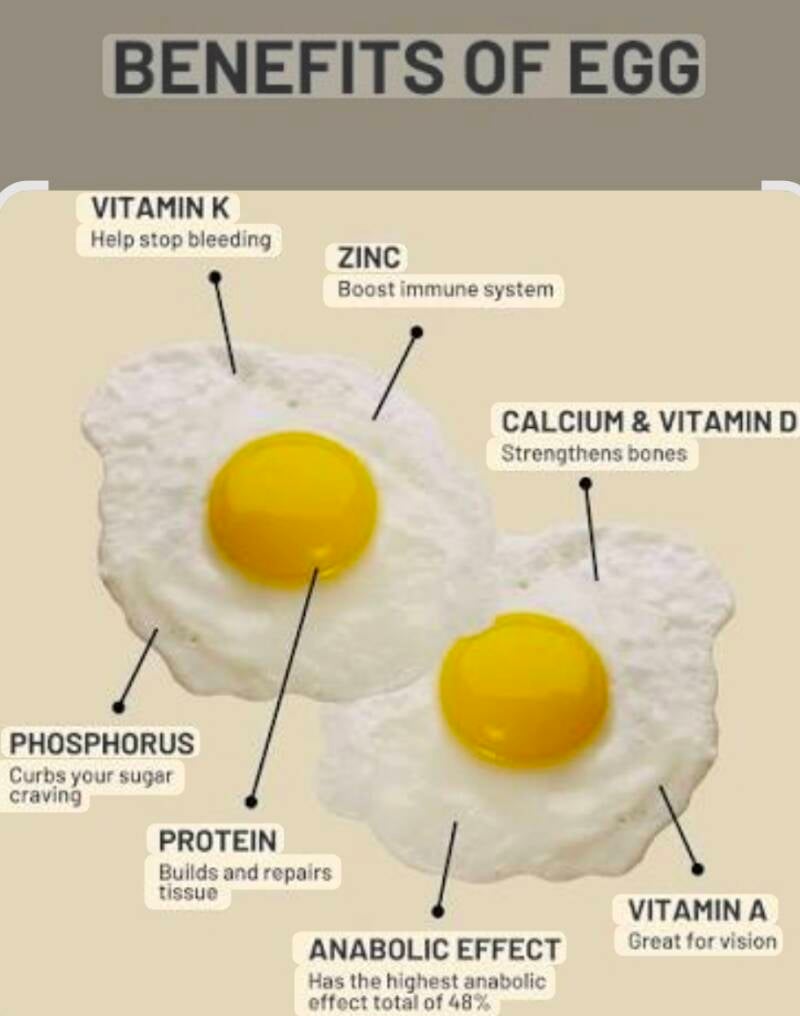
Eggs
Healthy fats: butter, ghee, olive oil, avocado oil
Full-fat dairy (cheese, cream, yogurt—if tolerated)
Low-carb vegetables (leafy greens, broccoli, cauliflower)
Avocados, olives
Nuts & seeds (in moderation)
Foods AvoidedSugar, sweets, soda
Bread, pasta, rice, cereal
Most fruit (except small berries)
Starchy vegetables (potatoes, corn)
Seed oils & ultra-processed foods
Benefits of the Ketogenic Diet
1. Fat Loss & Metabolic Flexibility
Low insulin → increased fat burning
Appetite suppression from ketones
Easier calorie control without hunger
2. Stable Energy & Mental Clarity
No blood sugar spikes or crashes
Ketones provide a steady brain fuel
Many report improved focus and reduced brain fog
3. Blood Sugar & Insulin Control
Improves insulin sensitivity
Useful for prediabetes and type 2 diabetes (under supervision)
4. Reduced Inflammation
Lower sugar and refined carb intake
May reduce inflammatory markers and joint pain
5. Neurological Benefits
Originally developed for epilepsy
Studied for benefits in migraines, Alzheimer’s, Parkinson’s, and traumatic brain injury
6. Hormonal & Appetite Regulation
Improves leptin and ghrelin signaling
Helps reduce cravings and emotional eating
7. Cardiovascular Improvements (Context-Dependent)Often improves triglycerides and HDL
LDL response varies individually and should be
Dietary approaches and nutrition
Explore the science behind popular dietary approaches, including the carnivore diet, intermittent fasting, and the ketogenic diet. Understand the potential benefits and risks of each, and learn how to make informed decisions about your nutrition. Empower yourself with the knowledge to optimize your health through diet.
What is Intermittent Fasting?
Intermittent fasting (IF) is an eating pattern, not a diet. It focuses on when you eat, not what you eat, by cycling between periods of eating and voluntary fasting. During the fasting window, calories are restricted or eliminated, allowing the body to shift from glucose-burning to fat- and ketone-burning.
Common Intermittent Fasting Methods
1. 16:8 (Time-Restricted Eating)
Fast 16 hours, eat within an 8-hour window
Example: Eat from 12 PM – 8 PM
Most popular and sustainable approach
2. 18:6 or 20:4
Longer fasting windows for deeper fat-burning and insulin reduction
3. OMAD (One Meal a Day)
All calories consumed in one meal
Advanced method, not ideal for beginners
4. 5:2 Method
Eat normally 5 days/week
Consume ~500–600 calories on 2 non-consecutive days
🔥 What Happens in the Body During Fasting?
Insulin levels drop
Fat burning increases
Ketone production rises
Growth hormone increases
Cellular repair processes (autophagy) activate
💪 Benefits of Intermittent Fasting
1. Improved Insulin Sensitivity
Lower insulin levels → better fat access
Helps reverse insulin resistance
2. Fat Loss Without Muscle Loss
Growth hormone rises during fasting
Preserves lean muscle when protein intake is adequate
3. Autophagy (Cellular Cleanup)
Old and damaged cells are recycled
Linked to longevity and disease prevention
4. Mental Clarity & Focus
Ketones provide steady brain fuel
Reduced brain fog and energy crashes
5. Reduced Inflammation
Decreases oxidative stress
Improves metabolic health markers
6. Hormonal Optimization
Increased growth hormone
Improved leptin sensitivity (satiety hormone)
7. Simplicity & Lifestyle Freedom
Fewer meals to plan
Reduced food obsession
Saves time and money
☕ What’s Allowed During the Fast?
Water (still or sparkling)
Black coffee
Plain tea
Electrolytes (no sugar)
Salt
(No calories, sweeteners, or insulin-spiking additives)
Benefits of daily bike riding for 30 minutes
Improves cardiovascular healt
Burns fat and aids weight loss
Strengthens legs, glutes, and core
Low-impact on joints (easy on knees).
Improves lung capacity and endurance
Boosts mood and reduces stress
Increases insulin sensitivity
Enhances balance and coordination
Supports mental clarity and brain health
Helps lower blood pressure and cholesterol
Improves stamina and energy levels
Promotes longevity and overall fitness
